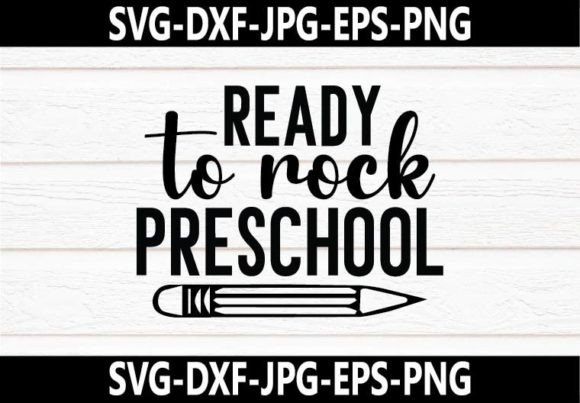
Ready to Rock Preschool SVG Design: A Creative Approach to Early Education
Ready to Rock Preschool SVG Design is a unique approach to visual communication that blends creativity with practicality for early childhood education. This design style focuses on creating engaging, colorful, and interactive elements that support learning and development in young children. From classroom decorations to personalized learning materials, Ready to Rock Preschool SVG Design offers a versatile solution for educators, parents, and creative professionals.
Unlike traditional educational materials, which often rely on static images or text-based content, Ready to Rock Preschool SVG Design incorporates dynamic illustrations, typography, and calligraphy to make learning more engaging. This format allows for greater customization, making it easier to tailor materials to specific needs and preferences. Whether used for classroom signage, student labels, or decorative elements, the design emphasizes fun, clarity, and accessibility.
What Makes Ready to Rock Preschool SVG Design Unique?
One of the key features of Ready to Rock Preschool SVG Design is its focus on visual storytelling. By combining cartoon-like illustrations with clear, readable text, this design style helps young learners connect with concepts in a more meaningful way. The use of bright colors, playful fonts, and expressive characters makes the learning environment more inviting and stimulating.
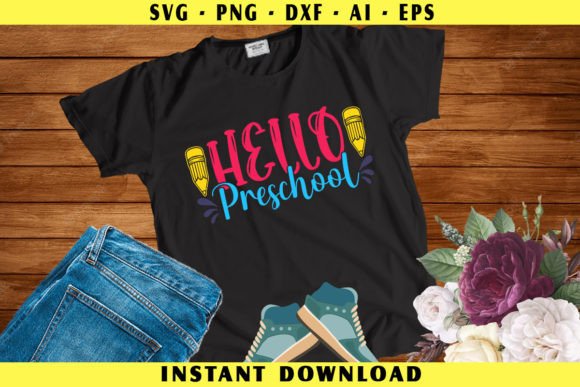
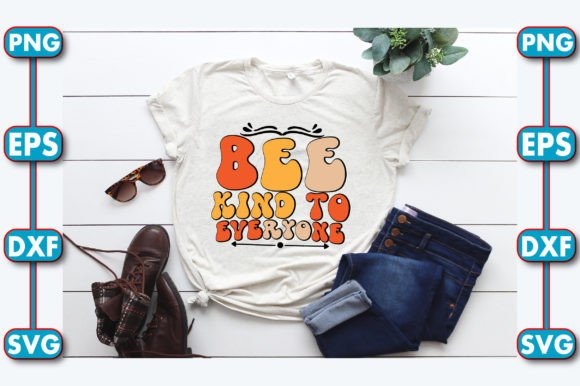
Another distinguishing factor is the flexibility of the SVG (Scalable Vector Graphics) format. Unlike raster images, which can lose quality when scaled, SVG files maintain their clarity at any size. This makes them ideal for printing on various surfaces, from t-shirts and stickers to banners and classroom walls. Educators and parents can easily adjust the size and layout without compromising the visual integrity of the design.
The design also supports a range of educational goals. For example, it can be used to create custom learning tools such as flashcards, alphabet charts, and math puzzles. These resources help reinforce concepts through repetition and visual association, which are essential for early cognitive development.
Comparing Ready to Rock Preschool SVG Design with Other Options
When considering alternatives to Ready to Rock Preschool SVG Design, it's important to evaluate different formats and approaches. Traditional printed materials, such as posters and worksheets, offer a straightforward method for delivering information but may lack the interactivity and personalization that SVG designs provide. While these materials are often cost-effective, they may not engage children as effectively as more visually dynamic options.
Other digital design styles, such as minimalist or grunge aesthetics, may appeal to older students or those with different learning preferences. However, these styles often prioritize simplicity or edginess over the playful, colorful nature that is central to preschool education. Ready to Rock Preschool SVG Design, by contrast, maintains a balance between creativity and functionality, making it particularly well-suited for younger audiences.
For educators looking for ready-made solutions, there are numerous pre-designed templates available online. While these can save time, they may not offer the same level of customization or uniqueness as a tailored SVG design. Ready to Rock Preschool SVG Design allows users to adapt elements to fit specific classroom themes, student interests, or teaching objectives, providing a more personalized experience.
Strengths and Tradeoffs of Ready to Rock Preschool SVG Design
One of the main strengths of Ready to Rock Preschool SVG Design is its ability to enhance engagement. The use of vibrant visuals and playful elements can capture the attention of young learners, making the learning process more enjoyable. This is especially beneficial for students who may struggle with traditional teaching methods or who benefit from hands-on, interactive activities.
Another advantage is the ease of use. Many SVG design tools allow users to edit and customize elements without requiring advanced technical skills. This makes it accessible for teachers, parents, and even students themselves, encouraging collaboration and creativity in the learning process.
However, there are some tradeoffs to consider. Creating high-quality SVG designs can be time-consuming, especially for those who are new to graphic design. Additionally, while the format is highly scalable, it may require specific software or tools to view and edit properly. Users should also ensure that their devices and printers are compatible with SVG files to avoid any issues during production.
When Ready to Rock Preschool SVG Design Is the Right Choice
Ready to Rock Preschool SVG Design is an excellent choice for educators and parents who want to create a visually rich and interactive learning environment. It is particularly effective in settings where personalization and creativity are valued, such as homeschooling, private preschools, or small classroom groups. The design’s flexibility allows for easy adaptation to different themes, seasons, or curriculum requirements.
It is also a great option for those who want to incorporate art and design into the learning process. By using elements like calligraphy, lettering, and illustration, educators can introduce students to basic artistic concepts while reinforcing academic content. This dual-purpose approach can make learning more engaging and memorable for young children.
For businesses or entrepreneurs offering educational products, Ready to Rock Preschool SVG Design provides a way to stand out in a competitive market. Custom-designed materials can be sold as printable resources, digital assets, or physical prints, offering a variety of revenue streams. The design’s versatility also makes it suitable for marketing and branding efforts, helping to build a strong identity around early education.
When to Consider Alternative Approaches
While Ready to Rock Preschool SVG Design is highly effective for many applications, there may be situations where other options are more appropriate. For instance, if the goal is to create simple, low-cost materials for large groups, pre-printed or generic resources may be more practical. These options can be quicker to implement and may require less technical expertise.
Additionally, for educators with limited access to design tools or software, alternative formats such as PDFs or JPEGs might be more accessible. These formats are widely supported and can be used across a range of devices and platforms. However, they may not offer the same level of scalability or customization as SVG files.
In cases where a more structured or formal approach is needed, such as in standardized testing environments, simpler design elements may be preferable. The focus in these settings is often on clarity and consistency rather than creativity or personalization. Therefore, the choice of design style should align with the specific goals and constraints of the educational setting.
Realistic Examples and Practical Applications
Ready to Rock Preschool SVG Design can be applied in a variety of ways to support early education. For example, a teacher might create a custom welcome banner for the classroom, featuring a cheerful message and colorful illustrations. This not only sets a positive tone for the school year but also helps students feel more connected to their learning space.
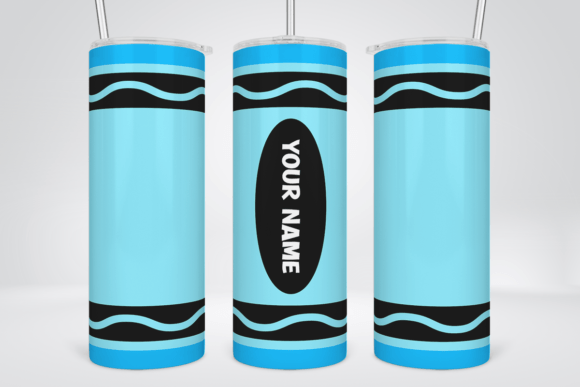
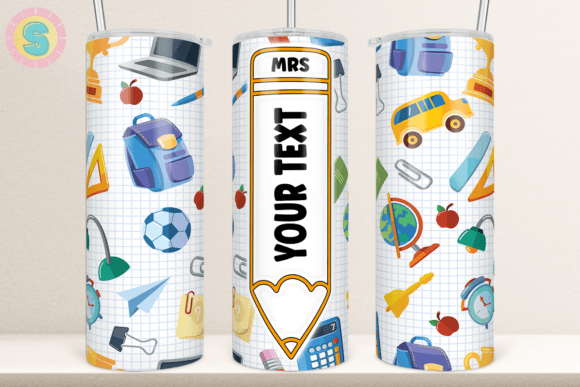
Another practical application is the creation of student labels or name tags. Using a mix of typography and illustration, educators can design personalized items that help students identify their belongings while adding a fun element to the classroom. These designs can also be adapted to reflect seasonal themes or special events, keeping the learning environment fresh and engaging.
For parents, Ready to Rock Preschool SVG Design can be used to create fun and educational materials at home. Simple printables, such as alphabet cards or counting games, can be customized to match a child’s interests and learning pace. This allows for a more personalized approach to early education, supporting both academic and creative development.