Sight Words Tracing Book: A Practical Tool for Early Literacy and Learning Workflows
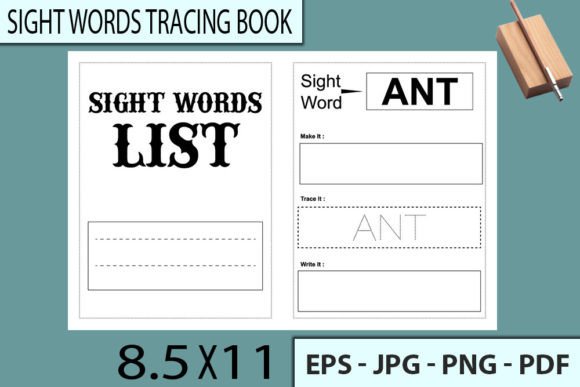
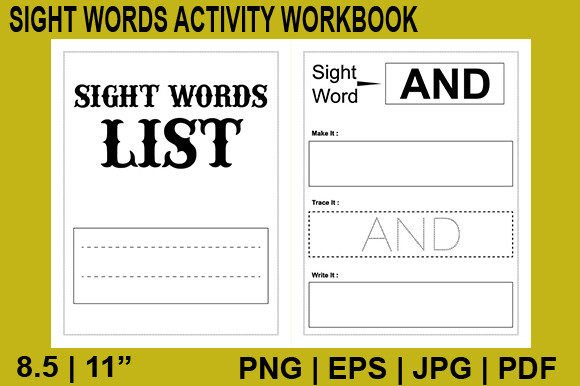
The Sight Words Tracing Book is a digital printable resource designed to support early literacy development in young learners. It serves as an essential component in the broader process of teaching reading, writing, and language skills to preschoolers, kindergarteners, and children aged 3–5. This activity workbook is ideal for educators, parents, and homeschoolers looking for structured, engaging materials to incorporate into their teaching or learning routines.
Understanding the Role of Sight Words in Early Education
Sight words are high-frequency words that children should recognize instantly without needing to sound them out. These words make up a significant portion of written text and are crucial for developing reading fluency. The Sight Words Tracing Book provides a systematic way to introduce and reinforce these words through tracing exercises, helping students build confidence and accuracy in their reading and writing abilities.
This resource fits naturally into a variety of educational workflows. It can be used as a supplement to traditional literacy programs, a standalone activity for independent practice, or part of a larger curriculum focused on early childhood education. Its flexibility makes it suitable for both classroom settings and at-home learning environments.
Integration Into Learning and Teaching Processes
The Sight Words Tracing Book can be integrated into different stages of a learning process. Before starting a new unit or lesson, educators might use it as a pre-assessment tool to identify which sight words students are already familiar with. During instruction, it can serve as a hands-on activity to reinforce concepts taught in class. After a lesson, it can be used for review or assessment purposes, allowing teachers to track student progress over time.
For parents and caregivers, the book can be a valuable addition to daily learning routines. It offers a structured approach to practicing sight words, making it easier to maintain consistency and ensure that children receive regular reinforcement of key literacy skills. By incorporating the book into a daily schedule, families can create a supportive learning environment that encourages curiosity and engagement.
Workflow Examples and Practical Implementation
One practical workflow involves using the Sight Words Tracing Book as part of a weekly handwriting practice routine. Educators or parents can set aside 10–15 minutes each day for students to trace and write sight words from the book. This consistent practice helps build muscle memory and improves overall writing skills.
Another example is using the book as part of a themed learning unit. For instance, if a class is studying animals, the teacher could select sight words related to that theme and have students trace and write them in the book. This approach not only reinforces sight word recognition but also connects literacy with other areas of the curriculum, such as science or art.
For digital creators and small business owners, the Sight Words Tracing Book can be a valuable asset in developing educational content for platforms like Amazon KDP or Etsy. Its high-quality PDF format and ready-to-print design make it easy to upload and sell as a digital product. By leveraging this resource, creators can offer a practical and effective tool for parents and educators seeking affordable, printable learning materials.
Compatibility and Usability Considerations
The Sight Words Tracing Book is designed to be compatible with a wide range of devices and software. The 27-page PDF file is optimized for home printing, ensuring that users can easily produce physical copies for classroom or at-home use. Additionally, the 27 PNG files provide flexibility for digital applications, such as creating custom learning activities or integrating the content into e-books and online courses.
When using the book, it's important to consider usability factors such as font size, spacing, and layout. The design of the book ensures that tracing lines are clear and easy to follow, reducing frustration for young learners. For educators and parents, this means less time spent on adjustments and more time focused on teaching and learning.
Quality Control and Long-Term Use
Ensuring the quality of printed materials is essential for maintaining the effectiveness of the Sight Words Tracing Book. Users should test print settings before producing multiple copies to avoid issues such as smudging or misalignment. High-quality prints not only enhance the learning experience but also contribute to the longevity of the resource, making it reusable across multiple sessions and students.
Long-term use of the book depends on how well it is maintained and organized. Educators might choose to store printed copies in labeled folders or binders, while parents could keep a copy in a dedicated learning area at home. By implementing simple organization strategies, users can ensure that the book remains accessible and usable for extended periods.
Collaboration and Community Engagement
The Sight Words Tracing Book also offers opportunities for collaboration and community engagement. Educators can share their own ideas for using the book with colleagues, creating a network of resources and best practices. Parents can connect with other families to exchange tips and experiences, fostering a sense of shared learning and support.
Additionally, the book encourages creativity by allowing users to personalize their learning experience. Students can add illustrations, color the pages, or create their own sight word lists based on their interests. This level of customization not only enhances engagement but also promotes ownership of the learning process.
Conclusion: Enhancing Literacy Through Structured Practice
The Sight Words Tracing Book is more than just a printable worksheet—it’s a practical tool that supports the development of essential literacy skills in young learners. By integrating it into existing educational workflows, users can create a structured and engaging learning environment that fosters growth and confidence.
Whether used in a classroom, at home, or as part of a digital product offering, the book provides a versatile solution for teaching and practicing sight words. Its focus on tracing, repetition, and visual reinforcement makes it an effective resource for students at various stages of their learning journey. With its user-friendly design and high-quality format, the Sight Words Tracing Book is a valuable addition to any educator’s or parent’s toolkit.